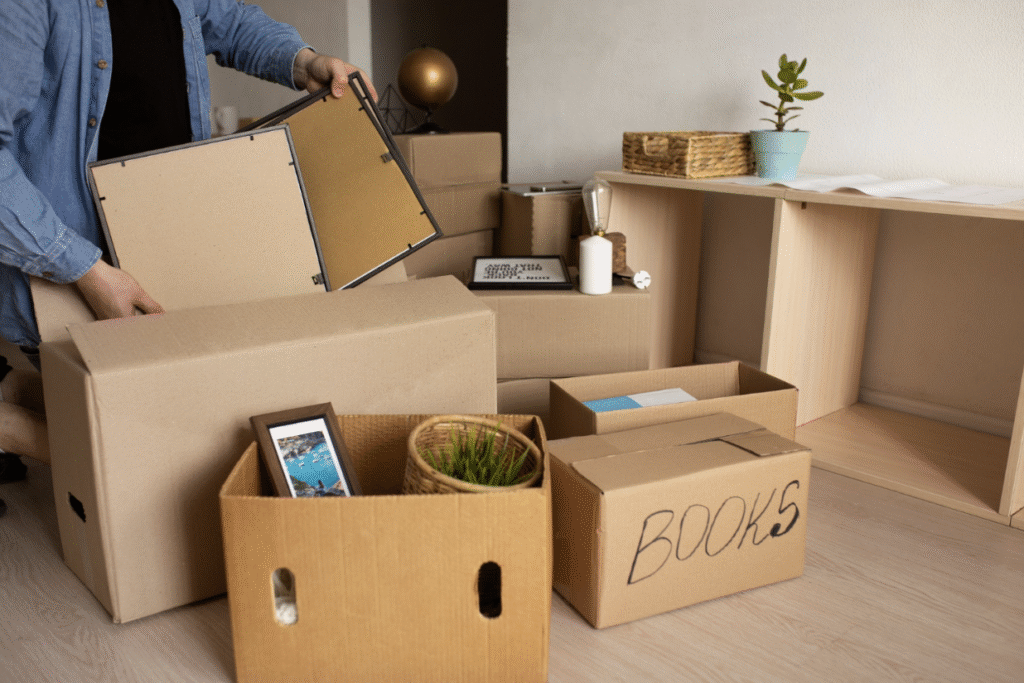
Moving can be stressful, but it doesn’t have to be expensive. With some planning and the right strategies, DIY moving in Australia is entirely feasible. This guide offers helpful packing tips and advice on safely handling heavy furniture, allowing you to simplify the process and save money along the way!
Don’t Pack What You Don’t Need
One of the biggest obstacles in a move is the sheer amount of stuff we accumulate. Overthinking what to pack or keep can slow you down and increase costs. On the other hand, simplifying your approach can make DIY moving in Australia a smoother experience.
Before you begin packing boxes, it’s essential to conduct a thorough inventory of your belongings. Assess each item and ask yourself: “Have I used this in the last six months?” If the answer is no, you may want to consider parting with it.
This critical evaluation process not only lightens your load but also decreases the expenses associated with moving. By reducing the quantity of items transported, you can reduce the size of the moving truck you’ll need and the cost of packing supplies.
DIY Moving in Australia Means Focus on the Essentials
Prioritise the items you truly need in your new home. Essentials like clothing, kitchenware, and important documents should be packed first. This ensures that your move is efficient, and you won’t waste money transporting things that aren’t necessary.
Sell, Donate, or Store
For items you don’t need but don’t want to throw away, consider selling or donating them. If certain items are seasonal or rarely used, storing them temporarily can reduce clutter during your move. These strategies are key to a cost-effective DIY move in Australia.
Avoid Last-Minute Packing
Timing is critical in any move. Last-minute packing or rushing to hire services can significantly increase costs. Planning ahead ensures your DIY moving in Australia experience is smoother and more affordable.
Waiting until the last minute to pack can lead to higher costs for moving trucks, packing materials, and even professional help if needed. Starting early gives you the flexibility to shop around for deals and avoid unnecessary expenses.
Create a Packing Timeline
A packing timeline helps you break down tasks into manageable steps. Allocate specific days for different rooms and items, giving yourself plenty of time to pack carefully. This reduces stress and keeps your DIY moving Australia budget on track.
Make Heavy Lifting Easier and Safer
Moving large furniture and heavy boxes is often one of the hardest parts of relocating. By using proper lifting techniques and renting affordable equipment such as trolleys or lifting straps, you can move items more efficiently while reducing the risk of injury. Avoiding accidents not only protects your health but also helps you save money by preventing medical expenses or the need to hire last-minute movers.
Careful planning before lifting heavy items is a practical way to keep your DIY move safe and budget-friendly.
Not Labelling Everything
Labelling might feel unnecessary at first, but it makes a significant difference during a move. Clearly marking boxes with their contents and intended room saves time when unpacking and reduces the chance of damaging items due to confusion or poor handling. For example, fragile kitchenware placed in the wrong box could easily break, leading to replacement costs. A simple system of labels keeps your move organised, minimises stress, and protects your budget by preventing avoidable losses.
Moving doesn’t have to be overwhelming or expensive. By planning ahead, focusing on essentials, and staying organised, DIY moving in Australia can be a manageable and stress-free process.
By following these tips, you can make the transition to your new home smoother and less stressful. If securing a rental still feels challenging, Find My Home can step in to guide you through the process and help make your application stronger.
Disclaimer: The information in this article is for informational purposes only and should not be taken as legal, financial, or professional advice. Rental laws and market conditions may change, so we encourage readers to check details independently. Find My Home is not a real estate agency, and while we aim to support renters throughout the process, we cannot guarantee property approvals. If you have any questions, please email us at info@findmyhomeaus.com.