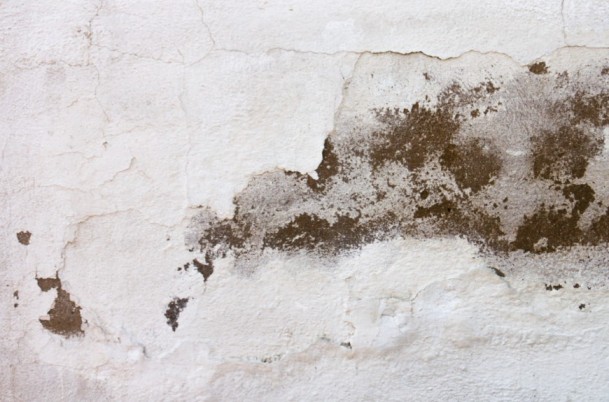
Mould in a rental property is a common issue across Australia, especially during humid months or in poorly ventilated homes. While it might seem like just an aesthetic problem, mould can pose serious health risks and cause significant property damage if ignored. Understanding who is responsible for preventing and removing mould in a rental property is essential for both tenants and landlords.
What Causes Mould in Rental Properties
Mould forms when excess moisture combines with poor ventilation. It often appears on walls, ceilings, and window frames, particularly in bathrooms, kitchens, and laundry areas. The main causes of mould in a rental property include:
Leaking roofs, pipes, or gutters
Inadequate ventilation or insulation
Condensation from cooking, showering, or drying clothes indoors
Flooding or water damage that is not properly cleaned up
Determining the cause of mould is the first step to deciding who is responsible for fixing it.
Tenant Responsibilities for Preventing Mould
Tenants have a legal obligation to keep the property reasonably clean and to use it responsibly. This includes taking simple steps to reduce the risk of mould growth.
Proper Ventilation and Cleaning Practices
Tenants should ensure that windows are opened regularly to allow air circulation. Using exhaust fans in bathrooms and kitchens also helps prevent humidity from building up. Regular cleaning, particularly in damp areas, can stop mould before it spreads.
Reporting Leaks and Damage Promptly
If you notice any leaks, broken seals, or signs of water damage, it is important to report them to your property manager or landlord immediately. Delays can make the issue worse, and if a tenant fails to report a problem, they may be partly responsible for the resulting mould.
Avoiding Actions That Encourage Mould Growth
Simple actions like drying clothes indoors or blocking air vents can trap moisture and contribute to mould growth. Tenants should use dehumidifiers or outdoor drying areas whenever possible and avoid overfilling rooms with furniture that restricts airflow.
Landlord Responsibilities for Mould in Rental Properties
Landlords in Australia have a duty to provide and maintain properties in a safe and liveable condition. If mould in a rental property occurs due to structural issues or poor maintenance, it is generally the landlord’s responsibility to fix the problem.
Maintaining Property in Good Repair
Landlords must ensure the property is watertight and free from leaks. Regular maintenance, such as cleaning gutters, repairing roofs, and checking plumbing, helps prevent mould from developing in the first place.
Providing Adequate Ventilation and Heating
A property must have functional ventilation systems such as exhaust fans and windows that open properly. Adequate heating also plays a role, as cold, damp conditions encourage mould growth. If the property lacks basic ventilation or heating, landlords may be required to make improvements under residential tenancy laws.
Meets the Health and Safety Obligations Under Australian Law
Under Australian tenancy laws, landlords must ensure the property meets minimum health and safety standards. This includes addressing hazards such as mould in a rental property. If mould poses a health risk, landlords are generally obligated to arrange professional cleaning or repairs.
Determining Legal Responsibility
Responsibility for mould in a rental property depends on the cause. Both tenants and landlords have roles to play, but determining who is legally responsible often requires an assessment of maintenance records and living conditions.
When Mould is the Tenant’s Responsibility
If mould develops because of poor ventilation habits or lack of cleaning, the tenant may be required to remove it at their own cost. This could happen if:
Windows were left closed for extended periods
Clothes were dried indoors without ventilation
Exhaust fans were not used
Tenants should take preventive measures to avoid being held liable for mould growth.
When Mould is the Landlord’s Responsibility
If mould in a rental property results from structural faults or maintenance issues, the landlord is responsible for addressing it. Common examples include:
Leaking roofs or plumbing systems
Poor insulation or ventilation design
Water damage that was not repaired properly
In these cases, the landlord must repair the issue and may also need to compensate the tenant if the property becomes unsafe or unlivable.
Mould in a rental property is more than just an inconvenience; it can impact health, comfort, and safety. Tenants and landlords both share responsibility, but the legal outcome depends on the underlying cause.
Disclaimer: The information in this article is for informational purposes only and should not be taken as legal, financial, or professional advice. Rental laws and market conditions may change, so we encourage readers to check details independently. Find My Home is not a real estate agency, and while we aim to support renters throughout the process, we cannot guarantee property approvals. If you have any questions, please email us at info@findmyhomeaus.com.