Understanding the difference between accidental damage and normal wear and tear is essential for anyone renting a home in Australia. This distinction affects bond refunds, repair responsibilities, and how both tenants and homeowners handle damage when it occurs.
Understanding the Key Differences
What Accidental Damage Means in a Rental Property
Accidental damage refers to harm caused by an unexpected incident or mistake. It is sudden and not the result of everyday use. Even if the tenant did not intend to cause the problem, accidental damage is often still the tenant’s responsibility. Common examples include spills, breakages, or mishandling items within the home.
What Counts as Normal Wear and Tear Over Time
Normal wear and tear is the natural deterioration that occurs simply from living in a property. It happens gradually over time and is not caused by neglect or carelessness. Every home ages, materials weaken, and surfaces show signs of use.
Why the Distinction Matters for Tenants and Landlords
Knowing the difference helps protect tenants from unfair charges and assists homeowners in maintaining the property correctly. Normal wear and tear should not be charged to tenants, while accidental damage may result in repair costs or bond deductions.
Common Examples of Normal Wear and Tear
Faded Paint and Minor Scuff Marks
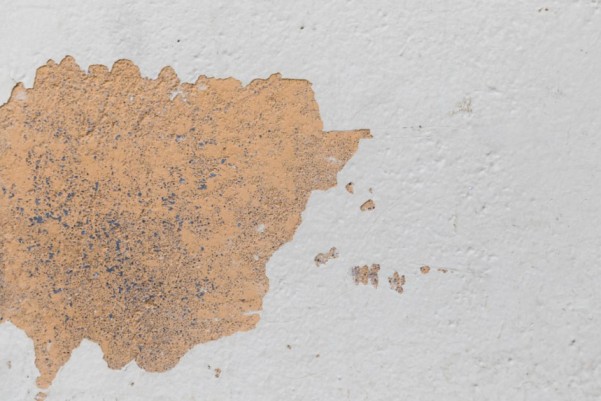
Sun exposure, ageing, and light contact can cause walls to fade or develop small scuff marks. These are expected outcomes of regular living and are not considered accidental damage.
Worn Carpets from Everyday Use
Carpets naturally flatten and show walking paths over time, even with proper cleaning. This is classified as normal wear and tear.
Loose Door Handles or Ageing Fixtures
Door handles, taps, and cupboard hinges loosen gradually through regular use. These are standard maintenance issues typically handled by the homeowner.
Natural Deterioration over Time
Small wall cracks caused by temperature changes or worn grout in bathrooms are natural signs of ageing and are not tenant-caused damage.
Common Examples of Accidental Damage
Broken Windows or Cracked Tiles
Sudden breakage caused by dropped objects, balls, or other mishaps is considered accidental damage and is usually the tenant’s responsibility.
Stains or Burns on Carpets and Benchtops
Spills, chemical damage, or burns from hot cookware go beyond normal wear and tear and are commonly charged to the tenant.
Holes in Walls from Improper Hanging
Drilling holes or using nails without approval, instead of removable hooks, can result in repair costs due to accidental damage.
Damage Caused by Children or Pets
Scratched floors, chewed blinds, or broken items caused by children or pets are still classified as accidental damage, even when unintentional.
How Homeowners Typically Assess Damage
The Role of Entry and Exit Condition Reports
Condition reports document the property’s state at the start and end of a tenancy. They help determine whether damage is new, expected, or tenant-caused.
Comparing Photos and Inspection Notes
Visual evidence such as photos, videos, and inspection notes is often used to assess changes that occurred during the tenancy.
The Impact of Property Age and Quality
Older fixtures are more prone to wear and are less likely to be classified as accidental damage. Newer or premium fittings may result in repair charges if damage was avoidable.
Disclaimer: This article is for informational purposes only and should not be considered legal, financial, or professional advice. Rental laws and market conditions may change. Find My Home is not a real estate agency and cannot guarantee housing outcomes. For enquiries, contact info@findmyhomeaus.com.