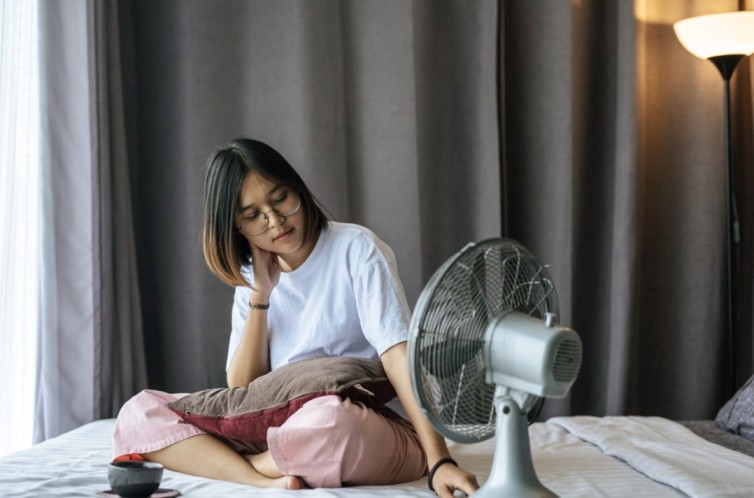
The Australian summer heat is known for being intense, dry in some states, and humid in others. December marks the beginning of peak summer across the country, so staying safe and comfortable becomes a top priority. Here is your complete guide to understanding the weather and preparing for the hottest time of the year.
Understanding Australia’s December Climate
Why December Marks the Start of Peak Summer in Australia
December is the official start of the Australian summer and the point when temperatures begin to climb rapidly. Days are longer, sunlight is stronger, and most states start experiencing hotter daytime temperatures. This shift makes December an important month to prepare for the worst of the Australian summer heat.
Humidity Levels and How They Affect the Heat
Humidity plays a huge role in how hot you feel. Cities like Brisbane, Darwin, and Cairns experience extremely humid conditions that make the air feel heavier and warmer. In contrast, cities like Melbourne, Adelaide, and Perth tend to have lower humidity, which creates a dry heat. Understanding your city’s humidity level helps you manage the Australian summer heat more effectively.
UV Index and Why It Is Higher in Australia
Australia has one of the highest UV ratings in the world because of its geographical location and thinner ozone layer. Even on cloudy days, UV exposure can be dangerously high. Knowing the UV index helps you plan outdoor activities safely, especially in December when the Australian summer heat is at its early peak.
Tips to Stay Cool and Comfortable in Australia’s Summer Heat
Choose Breathable Clothing and Sun Protective Fabrics
Wearing lightweight, breathable clothing made of cotton or linen can keep you cooler during the Australian summer heat. Many Australian brands also offer UPF-rated fabrics that protect your skin from harsh UV rays.
Stay Hydrated Throughout the Day
Carry a water bottle wherever you go. Dehydration happens quickly in hot conditions and is one of the biggest risks during the Australian summer heat. Add electrolytes if you are active or working outdoors.
Always Use Sunscreen and How to Apply It Properly
Choose a broad-spectrum SPF 50 sunscreen. Apply it at least 20 minutes before heading outdoors and reapply every two hours. Sunscreen is essential protection against the harsh Australian summer heat and UV damage.
Wearing Hats, Sunglasses, and UPF-Rated Clothing
A wide-brim hat, UV-protected sunglasses, and sun-safe clothing can drastically reduce your exposure to UV rays. These simple choices make a big difference when you are dealing with the Australian summer heat.
Heatproofing Your Home
Small adjustments can help you keep indoor temperatures manageable.
Setting Up Fans and Air Conditioners Effectively
Make sure ceiling fans rotate counterclockwise to push cool air downward. Clean your AC filters regularly so your unit runs efficiently and helps you cope with the Australian summer heat.
Using Curtains, Blinds, and Window Films to Reduce Indoor Heat
Block out blinds, thermal curtains, and reflective window films can reduce indoor temperatures by stopping heat from entering your home. These tools are especially helpful for renters managing the Australian summer heat without being able to make structural changes.
Staying Safe During Extreme Heatwaves
Signs of Heatstroke to Watch Out For
Heatwaves can be dangerous. Watch for symptoms such as:
- Headaches
- Dizziness
- Nausea
- Fast heartbeat
- Confusion
- Hot and dry skin
If you or someone else shows these signs, seek shade immediately, cool down with water, and contact medical help.
Final Thoughts
The Australian summer heat can be intense, but with the right preparation and awareness, you can stay safe, comfortable, and ready for the season!
Disclaimer: The information in this article is for informational purposes only and should not be taken as legal, financial, or professional advice. Rental laws and market conditions may change, so we encourage readers to check details independently. Find My Home is not a real estate agency, and while we aim to support renters throughout the process, we cannot guarantee property approvals. If you have any questions, please email us at info@findmyhomeaus.com.